
View case studies from

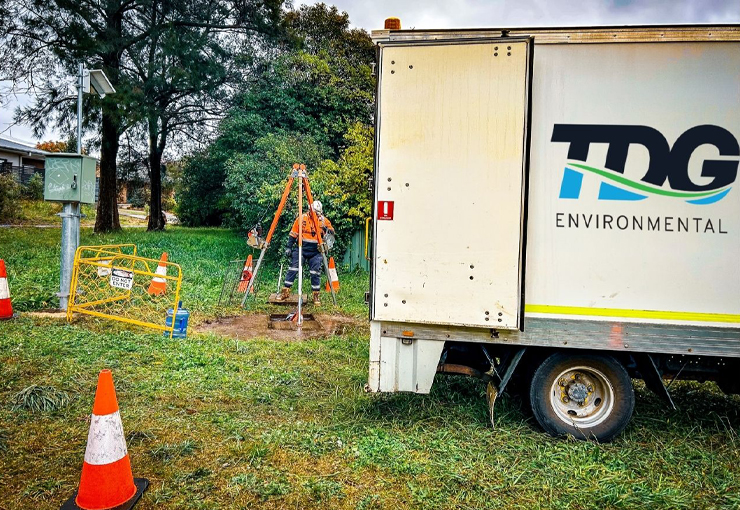
A TDG Environmental truck parked on a grassy verge next to a worker in high-visibility gear standing over an open utility hole surrounded by a tripod and traffic cones.

Water Authority Large Diameter Autonomous Pipeline Inspection

TDG Environmental was engaged to undertake an extensive condition assessment of a Water Authority clientโ€™s large diameter critical wastewater network in Canberra.

Project Highlights

  • Completed approximately 42 kilometres of large diameter pipeline inspection within six weeks.

  • Some inspected assets that had not been viewed since construction because other technologies could not reach or access them.

  • Completed the inspection without flow control, reducing operational disruption, project complexity and associated risk.

A yellow metal safety barrier surrounds an open utility hole and equipment on a grassy roadside.

Sewer Main Smoke Testing in QLD

Two operators were mobilised to Ingham, North Queensland, to complete smoke testing on sections of the sewer network. Non-toxic smoke was introduced into the sewer lines to identify potential leaks, defects, illegal connections, and inflow or infiltration points.

Project Highlights

  • Successfully completed smoke testing on selected sections of the Ingham sewer network.
  • Identified potential defects, leaks, and inflow or infiltration points within the system.
  • Collected valuable data to assist with future maintenance and repair planning.
  • Completed works safely and efficiently with minimal disruption to the public and surrounding areas.
  • Assisted the client in assessing the overall condition and performance of the sewer infrastructure.
Three blue and white TDG vacuum trucks parked in a line on a city street in front of a modern building with palm-shaped columns, with a worker standing near the front of the line.

Major Urban Siphon Cleaning & Restoration in Wellington

A critical wastewater asset within a high-traffic urban environment required urgent intervention due to severe blockages, restricted flow, and environmental risk.

Project Highlights

  • Full removal of heavy sludge, debris and hazardous waste from a critical siphon system
  • Multi-stage cleaning across interconnected pipeline assets
  • Successful CCTV inspection confirming a fully restored and operational network
Four workers in high-visibility orange shirts and white hard hats maneuver a large black plastic tube on the ground.

SA 1800mm Patching Project

A regional road in South Australia required urgent structural repairs after a large sinkhole developed above three 1800mm culverts beneath the roadway, a key route for grain haulage.
Project Highlights

  • Large Diameter (DN1800) Patches:ย Nine 1800mm patches installed across three culverts, a major technical achievement.
  • Specialist Team Collaboration:ย South Australian operators worked closely with an experienced NSW specialist to ensure accuracy, safety, and quality.
  • Road Integrity Preserved:ย Repairs eliminated further sinkhole risk and avoided major road closures or full culvert replacement.
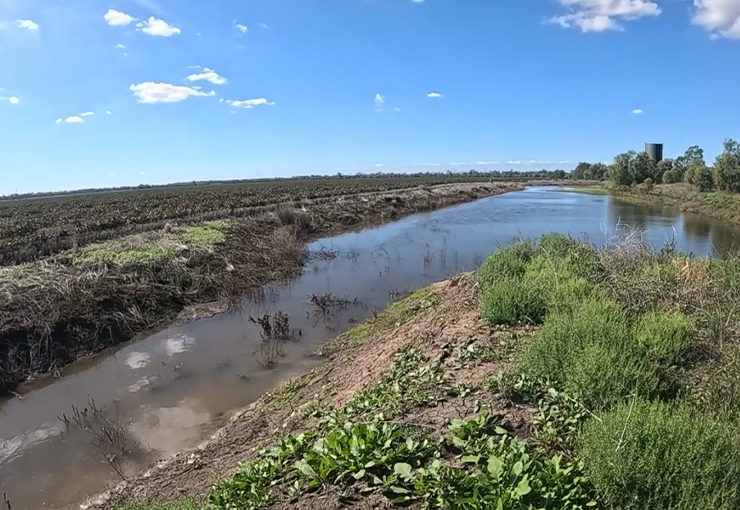
A stream flowing through a field under a clear blue sky.

Stormwater Network Inspection and Condition Assessment

A regional council in northern New South Wales required a comprehensive inspection and condition assessment of its stormwater network to strengthen flood mitigation planning and inform future maintenance priorities.
Project Highlights

  • Extensive Network Coverage: End-to-end assessment of stormwater infrastructure with minimal community disruption.
  • Upgraded Data Storage: Councils data was uploaded to UtilityTrack for advanced insights to structural and serviceability grades
  • Hydrological Analysis: Coordination with engineering partners for a complete hydrological analysis of the network.
  • Efficient Project Execution: All works completed safely, on time, and within budget, in alignment with WSA standards
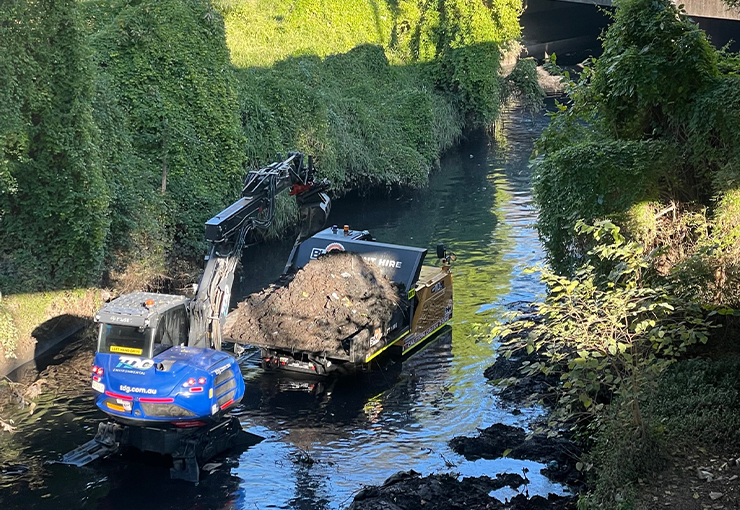
A blue excavator and a barge carrying a large pile of debris clearing a narrow, tree-lined waterway.

Duck Creek Contaminated Sediment Removal

A tidal channel in Sydney required the removal of asbestos-contaminated sediment to restore environmental safety and site integrity. The site presented complex conditions including limited access, tidal fluctuations, and a 1.4km haul route from the entry point. TDG Environmental was engaged by the client to deliver a compliant and efficient solution for safe waste removal, stockpile management, and site rehabilitation within a restricted tidal environment.
Project Highlights

  • Adaptive Equipment Strategy: Sourced and mobilised interstate Marooka Tracked Dumpers to improve mobility in deep tidal zones.
  • Safety and Compliance: Achieved full asbestos regulatory compliance with zero incidents.
  • Operational Efficiency: Completed sediment removal and site rehabilitation within the scheduled timeframe despite tidal and weather interruptions.
  • Environmental Stewardship: Maintained strict sediment controls and water management to prevent downstream contamination.
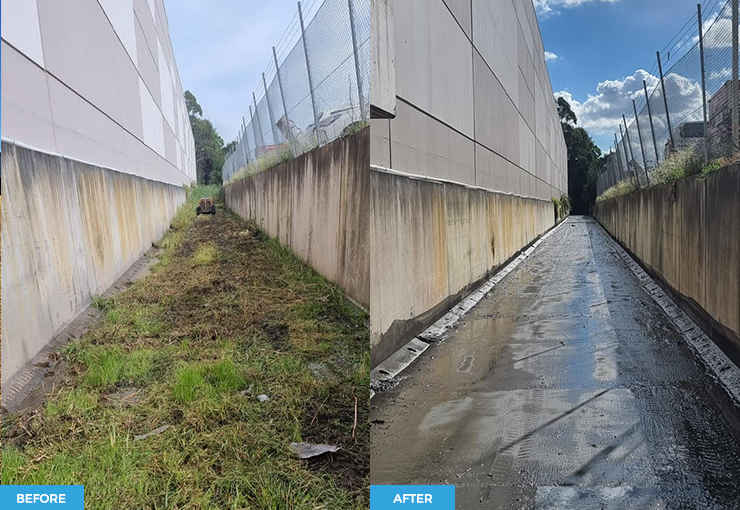
A before and after comparison of a concrete drainage ditch, showing the area cleared of overgrown grass and weeds.

Vegetation Removal and Desilting works in Sydney

A canal in Sydney required vegetation removal and desilting works to restore proper water flow and reduce the risk of flooding during heavy rainfall. The site presented significant access challenges, including no ramp access and extremely tight working conditions. TDG Environmental was engaged to provide a solution that would overcome these limitations while ensuring safe and efficient removal of overgrowth and built-up sediment.
Project Highlights

  • Innovative Access Solution: Used the Grab Truck as a crane to overcome physical access barriers.
  • Efficient Vegetation Clearance: Green Climber slashed and collected dense overgrowth with precision.
  • Streamlined Debris Removal: Grab Truck enabled fast and efficient pickup of all consolidated material.
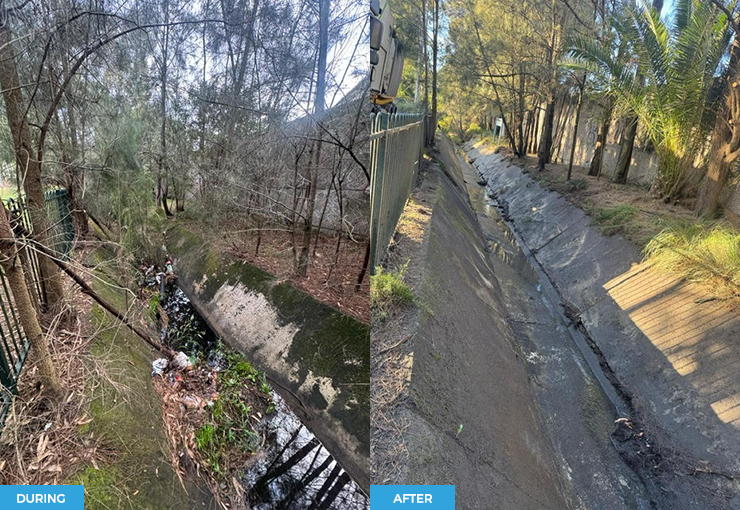
Before and after comparison of a concrete drainage canal filled with debris on the left, and cleared of debris on the right.

Canal Desilting and Vegetation Removal in Western Sydney

A heavily overgrown canal in Western Sydney required urgent desilting and vegetation removal to restore water flow and reduce the risk of flooding. Due to the steep embankments and absence of ramp access, traditional excavation methods posed significant safety risks. TDG Environmental was engaged to deliver a safe, efficient, and non-entry solution to clear the canal and prevent future blockages.

Project Highlights

  • Confined Space Risk Eliminated: All works completed using equipment, removing the need for personnel entry.

  • Flow Restored & Flooding Prevented: Full desilting and debris removal ensured unobstructed water movement.

  • Efficient, Non-Invasive Execution: Completed without ramping or major civil works, reducing time and risk on site.

View into the circular interior of a pipe.

Pipe Rehabilitation in Brisbane City

TDG Environmental successfully rehabilitated the sewer pipeline, achieving a fully sealed and structurally reinforced solution. The intervention prevented potential sinkholes, safeguarded the roadway, and ensured the long-term reliability of the asset.

Project Highlights

  • Enhanced Structural Durability: The CIPP patching method provided a 100-year design life, ensuring long-term pipeline integrity.

  • Prevention of Future Sinkholes: We eliminated any chance of a sinkhole forming, which could have compromised the road surface.

  • Client Satisfaction: The asset owner and client were very happy with the quality and efficiency of the work performed.

Before and after comparison of a pipe interior, showing damaged pipe walls followed by a smooth, rehabilitated surface.

Power Pole Installation Impact on Local Infrastructure in NSW

A newly placed power pole was installed through an existing asset, causing a major obstruction and presenting a potential flood risk. The issue required a rapid and comprehensive intervention to prevent further damage and ensure the continued functionality of the affected infrastructure.

Project Highlights

  • Collaboration and Coordination: Close coordination between all involved teams was essential to manage the delicate excavation and repair process.
  • Innovative Techniques: The use of specialised equipment and innovative techniques demonstrated TDGโ€™s commitment to providing high-quality, durable repairs.
  • Efficient Restoration: By utilising non-destructive digging, selective patching, and controlled concreting and backfilling, TDG ensured both the immediate and long-term success of the repair, reinforcing the asset without extensive replacement.